Introduction
In medium-low pressure piping systems, reducers (also called eccentric or concentric reducers) are critical components that connect pipes of different diameters while maintaining flow efficiency and reducing turbulence. For engineering, procurement, and construction (EPC) projects, sourcing custom reducers often becomes necessary when standard sizes or materials do not meet specific design conditions. This article provides a procurement-focused guide for engineers and industrial buyers, covering essential standards, required inspection documents, an RFQ checklist, and common quality risks to ensure a reliable supply chain.
Key Standards for Reducers
When specifying reducers, always confirm the applicable standards. For butt-weld reducers used in medium-low pressure piping, the most common standard is ASME B16.9 – Factory-Made Wrought Buttwelding Fittings. This standard covers dimensions, tolerances, and marking requirements. For flanged reducers, ASME B16.5 (Pipe Flanges and Flanged Fittings) applies, though reducers are typically buttweld or socket-weld type.
Material standards are equally important:
- Carbon steel: ASTM A234 WPB for standard service.
- Stainless steel: ASTM A403 for grades 304/304L, 316/316L.
- Alloy steel: ASTM A234 WP grades for chrome-moly.
For medium-low pressure applications, some projects may accept EN 10253-2 (European standard) or JIS B2311 (Japanese standard). Always specify the standard in your RFQ to avoid mismatched components.
Inspection Documents Required
Before placing an order, ensure that the supplier can provide the following inspection documents. These are critical for traceability and compliance:
- Material Test Report (MTR) / Mill Certificate: Certifies chemical composition and mechanical properties per the material standard.
- Dimensional Inspection Report: Verifies that the reducer meets the tolerances specified in the applicable standard.
- Visual and NDT Reports: For custom reducers, request a visual inspection report and non-destructive testing results (e.g., dye penetrant test or MPI).
- Heat Treatment Chart: If the material requires post-weld heat treatment (e.g., alloy steels), the chart should be included.
- Certificate of Compliance: A statement from the manufacturer that the product meets the specified requirements.
RFQ Checklist for Custom Reducers
A well-prepared RFQ (Request for Quotation) saves time and reduces the risk of incorrect supply. Include the following items:
- Piping specifications: Nominal pipe size (NPS) or outer diameter of both ends. For reducer: large end size × small end size (e.g., 8" × 4").
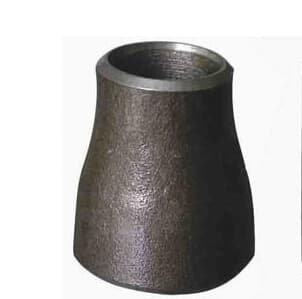
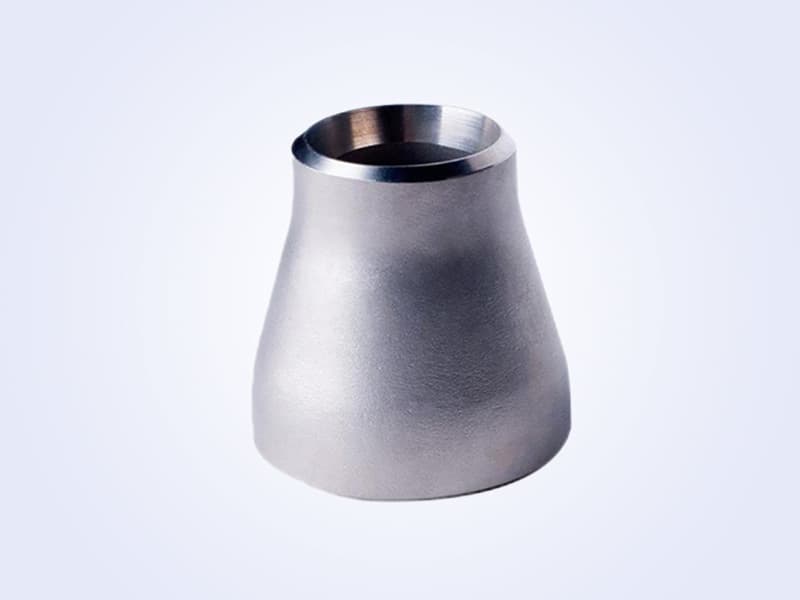
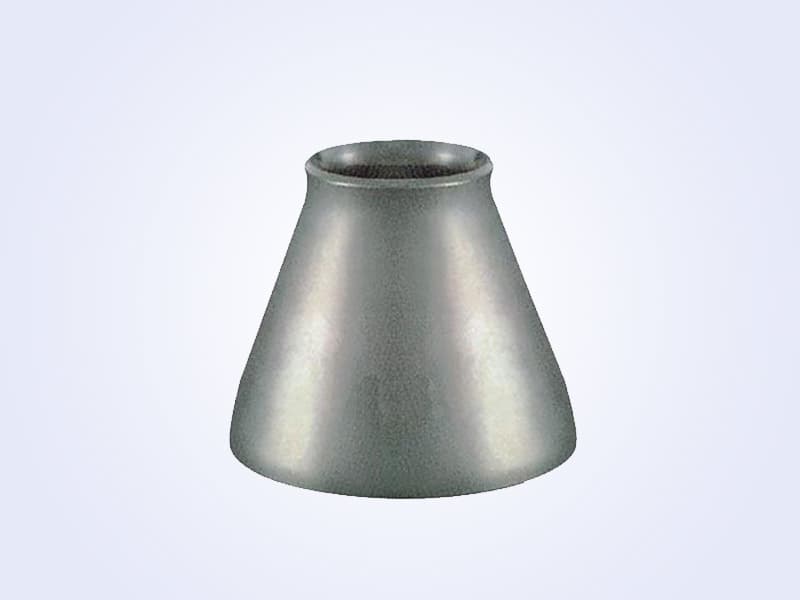
- Type: Concentric or eccentric (eccentric reducers have flat side for drainage).
- Schedule / wall thickness: Specify schedule numbers (e.g., Sch 40, Sch 80) or actual wall thickness.
- Material: Grade (e.g., ASTM A234 WPB, ASTM A403 316L).
- End preparation: Bevel ends for butt-weld, plain ends for socket-weld or threaded.
- Quantity and unit: Typically in pieces.
- Packaging and delivery: Export packing (seaworthy) and Incoterms.
- Certification requirements: List required documents (MTR, NDT reports, etc.).
- Lead time: Request estimated production time.
- Special requirements: Any marking, painting, or third-party inspection (e.g., Lloyds, DNV).
Quality Risks to Watch For
Custom reducers involve more engineering effort, but also introduce potential risks:
- Incorrect material specification: Using a lower-grade material or incorrect heat number can lead to failure under pressure. Always verify MTR.
- Dimensional inaccuracies: Off-spec reducer angles or weld bevels can cause installation difficulties and residual stress. Request first-article inspection before bulk production.
- Weld defects: Reducers are often fabricated by forming and welding (seamless or welded). For welded reducers, ensure longitudinal seam is fully penetrated and NDT performed.
- Inconsistent wall thickness: Particularly in eccentric reducers, the minimum wall thickness must be maintained. Use ultrasonic testing to confirm.
- Improper heat treatment: Alloy steel reducers may require stress relief. Confirm heat treatment process and documentation.
Customization Considerations
Medium-low pressure systems often involve water, steam, air, or chemical fluids at pressures below 300 psi (20 bar) and temperatures below 400°C. For such environments, carbon steel reducers are common, but stainless steel is recommended for corrosive media.
Custom reducers may require:
- Non-standard dimensions (e.g., odd nominal sizes).
- Special end preparations (e.g., narrow bevel for high-integrity welding).
- Additional testing (e.g., hydrostatic test, PMI).
When requesting a quote, provide the exact design conditions (pressure, temperature, fluid) so the manufacturer can recommend the appropriate wall thickness and material. A reputable supplier like Hebei Haihao Group can offer custom solutions based on your specifications.
Sourcing from Hebei Haihao Group
Hebei Haihao Group is an experienced manufacturer of forged flanges, pipe bends, and piping packages. For custom reducers, they can produce in carbon steel, stainless steel, and alloy steel per ASME, EN, or JIS standards. Their quality control includes material inspection, dimensional checks, and NDT. To obtain a competitive quotation, prepare a detailed RFQ using the checklist above and send it to their sales team.
Final Tips for Procurement Engineers
- Always specify the applicable code and standard in your purchase order.
- Request a sample or first-article approval for custom items.
- For critical systems, consider third-party inspection.
- Keep a buffer in lead time for custom fabrication.
By following these guidelines, you can reduce supply chain risk and ensure your piping system operates reliably.
RFQ CTA
Ready to order custom reducers for your medium-low pressure project? Send your drawings and specifications to Hebei Haihao Group for a prompt quotation. Visit www.haihao.com.cn or contact their technical team to discuss your requirements.
Need a quote for the products mentioned in this article?
Submit your specs and our pressure piping team will respond within one business day.
Send RFQRelated reading
TechnicalA Procurement Engineer’s Guide to Figure-8 Blinds: Design, Standards, and RFQ
Learn the design principles, material standards, and inspection requirements for figure-8 blinds. Includes RFQ checklist and quality risks for global buyers.
Technical