Introduction
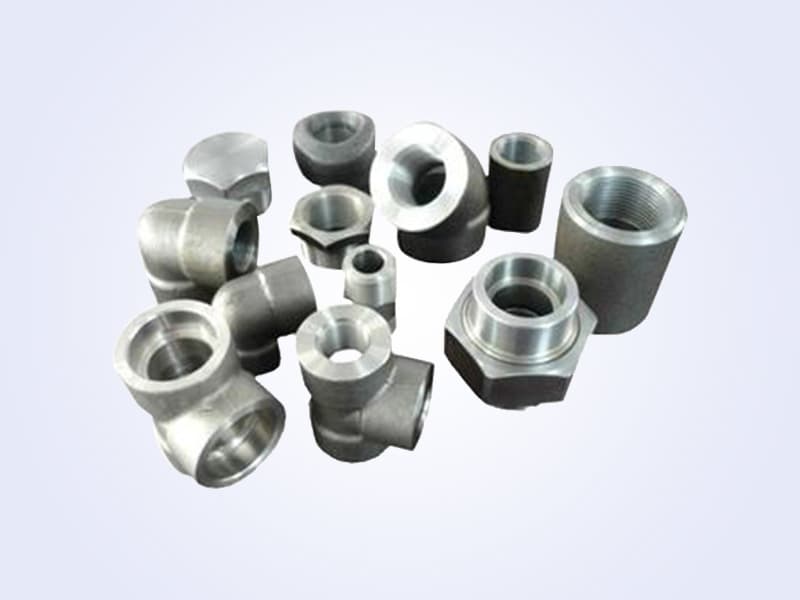
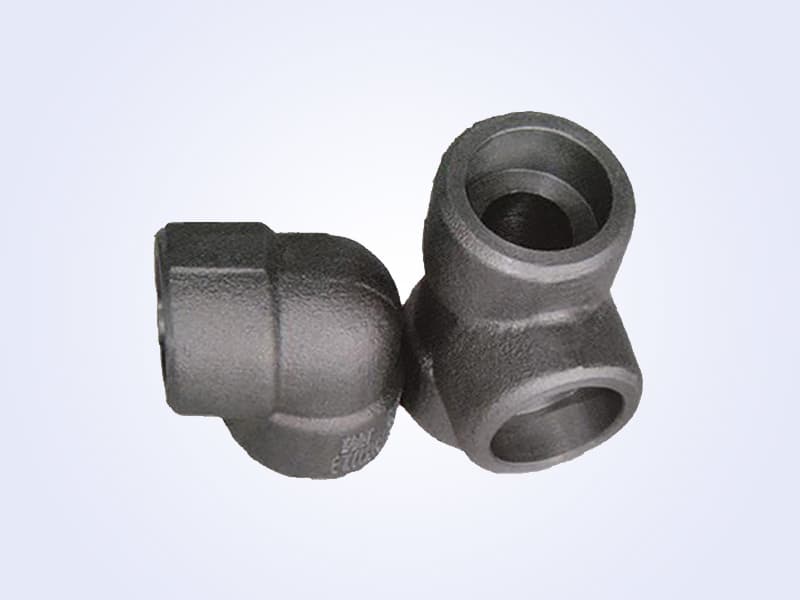
Socket weld fittings are a common choice for small-bore, high-integrity piping systems in industries such as petrochemical, power generation, and pharmaceuticals. They provide a strong, leak-resistant joint through a fillet weld applied to the pipe inserted into a recessed socket. When procuring custom socket weld fittings for low and medium pressure applications, buyers must pay close attention to standards, material traceability, and dimensional verification. This guide outlines the key steps to ensure you receive high-quality, compliant fittings that meet your project requirements.
Standards to Confirm
Before ordering custom socket weld fittings, verify that the supplier can manufacture to the relevant international standards. The most commonly specified standards include:
- ASME B16.11 – Forged steel fittings, socket-welding and threaded (covers dimensions, tolerances, and material requirements for Class 3000, 6000, and 9000).
- ASME B16.25 – Buttwelding ends (referenced for end preparation, though socket weld ends are different).
- ASTM A105 – Standard specification for carbon steel forgings for piping applications (most common material for low/medium pressure).
- ASTM A182 – For alloy and stainless steel forged fittings.
- MSS SP-79, SP-83, SP-95 – Additional standards covering socket welding fittings, reducer inserts, and other specific configurations.
For custom dimensions—such as special socket depths, wall thicknesses, or end-to-end lengths—ensure the manufacturer provides a drawing clearly indicating deviations from standard dimensions.
Required Inspection Documentation
Reputable suppliers should provide the following documents for traceability and quality assurance:
- Material Test Reports (MTR) – Certified raw material certificates showing chemical composition and mechanical properties.
- Dimensional Inspection Report – Verification of critical dimensions (socket depth, bore diameter, wall thickness, overall length) against the approved drawing.
- Heat Number Traceability – Marking on each fitting linking it to its MTR.
- Visual and NDE Reports – Check for surface defects, cracks, and proper socket geometry. Non-destructive testing (e.g., dye penetrant, magnetic particle) may be specified.
- Pressure Test Certificate – If required, hydrostatic or pneumatic test results.
RFQ Checklist for Custom Socket Weld Fittings
When requesting a quotation, include the following details to avoid ambiguity and ensure accurate pricing:
- Size – Nominal pipe size (NPS) or outside diameter of the pipe.
- Class / Pressure Rating – ASME class (3000, 6000, 9000) or design pressure/temperature.
- Material Specification – ASTM grade (e.g., A105, A182 F304).
- Drawing or Sketch – For custom socket depth, extra wall thickness, or special end configurations.
- Quantity – Total number of pieces, with any lot or batch requirements.
- Marking Requirements – Standard (ASTM, size, heat number) or special customer-specific marking.
- Surface Finish – As-forged, shot-blasted, or galvanized.
- Packaging – Loose, boxed, palletized, or with export crating.
- Lead Time Request – Expected delivery date.
Quality Risks to Watch For
Even with certified suppliers, quality issues can arise. Common risks include:
- Incorrect Socket Depth – Too shallow leads to poor weld integrity; too deep can cause pipe bottoming and lack of fusion.
- Out-of-Tolerance Bore Diameter – Pipe may not fit properly, causing misalignment or excessive root gaps.
- Material Substitution – Always verify MTRs match the ordered grade. Some suppliers might use lower‑cost materials without authorization.
- Lack of Traceability – Missing heat numbers make it impossible to track material lots in case of failure.
- Surface Defects – Cracks, laps, or seams from forging can lead to failure under pressure.
To mitigate these risks, request a pre‑shipment inspection (PSI) and consider third‑party testing for critical applications.
What to Send Before Quotation
To receive a prompt and precise quotation, compile the following:
- Exact specifications (size, class, material, and any deviations from standard).
- A clear engineering drawing or marked-up standard reference.
- Quantity and required delivery date.
- Any special packaging or certification needs.
Providing this upfront avoids back‑and‑forth and ensures the manufacturer understands the full scope of customization.
RFQ CTA
Hebei Haihao Group has decades of experience manufacturing custom socket weld fittings for low and medium pressure piping. We produce to ASME, ASTM, and other international standards, with full material traceability and dimensional integrity. Send your RFQ with the details above, and our team will provide a competitive quote and lead time. Contact us today for a reliable partner in your next project.
Need a quote for the products mentioned in this article?
Submit your specs and our pressure piping team will respond within one business day.
Send RFQRelated reading
 Buyer guide
Metallic vs Nonmetallic Flange Gaskets: A Buyer Selection Guide
Choosing between metallic and nonmetallic flange gaskets requires more than a quick comparison. This guide explains the ASME standards that govern each family, the critical factors to evaluate, and the procurement checks that prevent costly joint failures.
 Buyer guide