Introduction
Forged pipe fittings are critical components in high-pressure and high-temperature piping systems across oil & gas, chemical, power generation, and other industrial sectors. Their mechanical strength, fatigue resistance, and sealing reliability make them a preferred choice for demanding applications. For global EPC procurement engineers and industrial buyers, specifying and sourcing the correct forged fittings requires a clear understanding of material grades, manufacturing standards, quality verification steps, and RFQ best practices. This article provides a practical guide to help you make informed purchasing decisions.
Understanding Forged Pipe Fittings
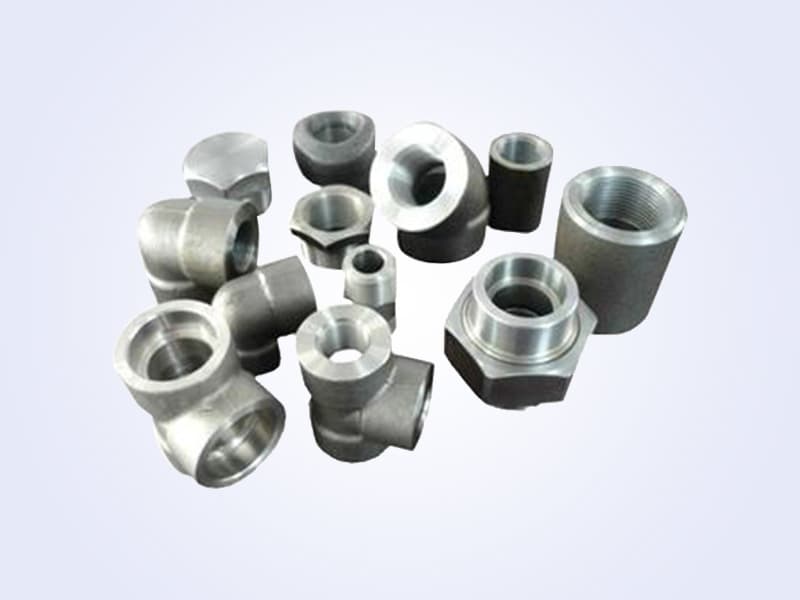
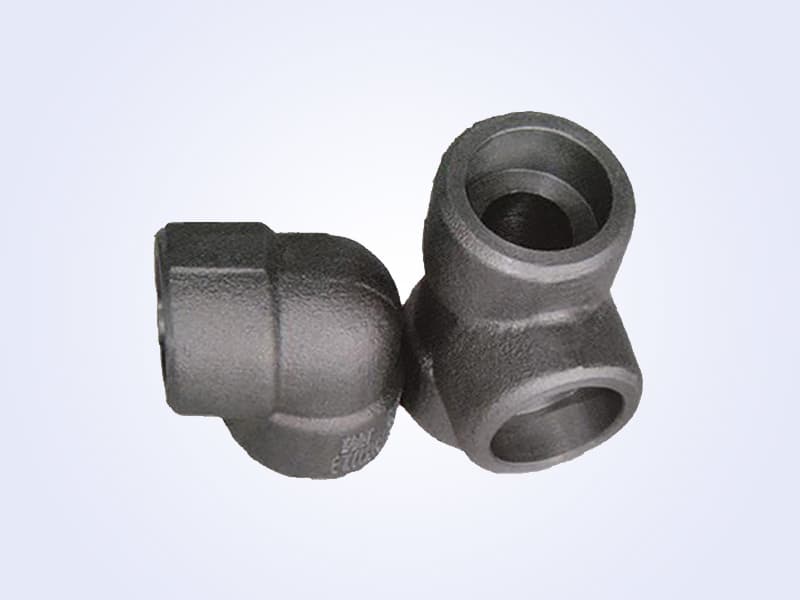
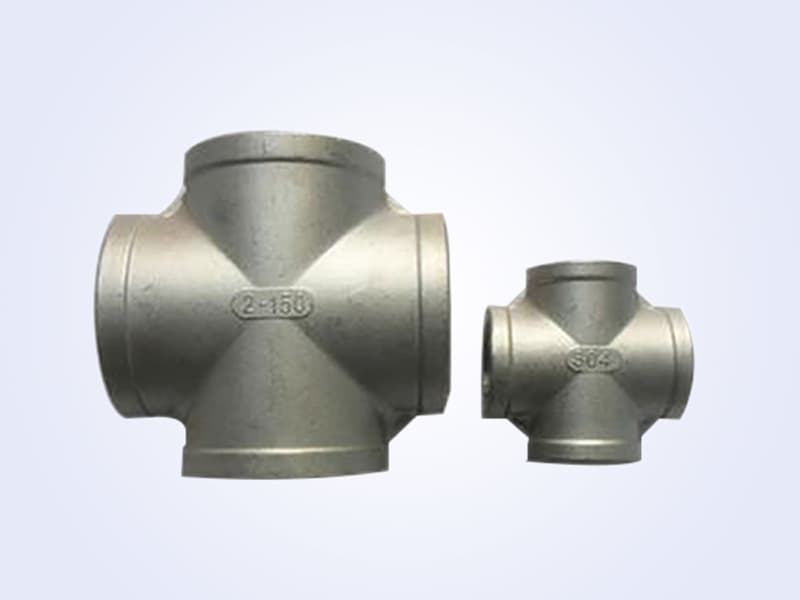
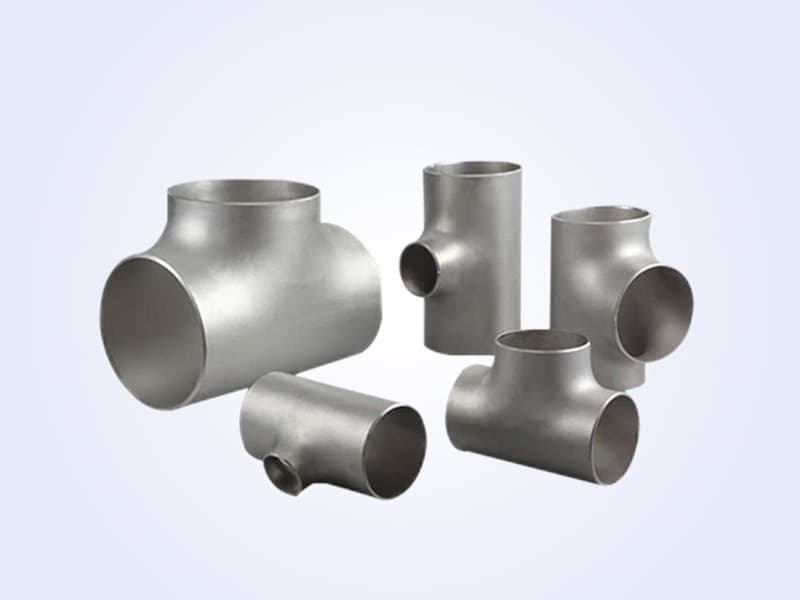
Forged pipe fittings are produced by heating a billet or bar stock and then forging it under high pressure to achieve the desired shape—such as elbows, tees, couplings, unions, caps, and plugs. The forging process eliminates internal voids and aligns the grain structure, resulting in superior mechanical properties compared to cast or fabricated fittings. Common materials include carbon steel (e.g., ASTM A105), alloy steel (e.g., ASTM A182 F11, F22), and stainless steel (e.g., ASTM A182 F304, F316).
Key Standards to Confirm
When sourcing forged fittings, always verify that the manufacturer complies with the following international standards:
- ASTM A105 – Standard specification for carbon steel forgings for piping applications.
- ASTM A182 – Standard for forged or rolled alloy and stainless steel pipe flanges, fittings, valves, and parts.
- ASME B16.11 – Dimensions and pressure-temperature ratings for forged steel fittings (Class 2000, 3000, 6000).
- ASME B16.5 – Pipe flanges and flanged fittings (if integrated with flanges).
- MSS SP-79, MSS SP-83, MSS SP-95 – Standards for specific forged fitting types like socket-welding and threaded fittings.
- Pressure Equipment Directive (PED) or other regional codes (e.g., GOST, JIS) if required for your project.
Ask your supplier for a certificate of compliance confirming adherence to these standards.
Inspection and Documentation Requirements
A reliable manufacturer should provide the following documentation with each shipment:
- Material Test Certificate (MTC) – Mill test report per EN 10204 3.1 or 3.2, showing chemical composition and mechanical properties.
- Dimension Inspection Report – Dimensional checks against ASME B16.11 or other applicable standards.
- Visual and NDT Reports – Dye penetrant (PT), magnetic particle (MT), or ultrasonic (UT) inspection certifications if required.
- Heat Treatment Charts – For alloy or stainless steel fittings requiring post-forging heat treatment.
- Traceability Records – Heat number markings and material traceability throughout the manufacturing process.
For critical service (e.g., sour gas environments), additional requirements such as hardness testing (NACE MR0175/ISO 15156) and Charpy impact testing may be needed.
RFQ Checklist for Forged Fittings
When preparing a request for quotation (RFQ), include the following details to ensure accurate and comparable offers:
- Fitting type and dimensions (e.g., 1-inch 3000# socket-weld coupling)
- Material grade (e.g., ASTM A105, ASTM A182 F316)
- Standard and pressure class (e.g., ASME B16.11 Class 3000)
- End connections (socket-weld, threaded, or buttweld)
- Quantity and packaging requirements
- Inspection and testing requirements (NDT, hardness, PMI)
- Delivery timeline and incoterms
- Any third-party inspection (TPIA) or project-specific specifications
Providing a clear RFQ reduces the risk of mismatched products and costly delays.
Common Quality Risks and How to Avoid Them
- Use of non-compliant material – Always request MTCs and perform positive material identification (PMI) on arrival.
- Incorrect dimensions – Verify key dimensions like bore, wall thickness, and face-to-face distance against standard tables.
- Missing heat treatment – For alloy fittings, confirm heat treatment records included.
- Incomplete markings – Each fitting should be permanently marked with grade, pressure class, and heat number.
- Poor surface finish – Check for cracks, seams, or forging laps via visual and NDT inspection.
Establish a receiving inspection procedure or use a third-party inspection agency to mitigate these risks.
What to Send Before Quotation
To get an accurate and competitive quote from Hebei Haihao Group, provide:
- A detailed list of fitting types, sizes, and quantities.
- Material and standard requirements.
- Required certifications and documentation.
- Expected delivery timeline.
- Any special packaging or marking instructions.
Conclusion
Forged pipe fittings are essential for safe and reliable piping systems. By understanding the relevant standards, confirming inspection documentation, and following a structured RFQ process, EPC buyers can ensure they source high-quality components that meet project requirements.
For a fast quotation on carbon, alloy, or stainless steel forged fittings compliant with ASME/ANSI standards, contact Hebei Haihao Group. As an integrated manufacturer with over 30 years of experience, we provide certified products with full traceability and competitive lead times. Submit your RFQ today to discuss your project needs.
Need a quote for the products mentioned in this article?
Submit your specs and our pressure piping team will respond within one business day.
Send RFQRelated reading
 Technical
Grain Size Verification for Forged Stainless Fittings
Grain size testing under ASTM A182 is mandatory only for certain grades. Learn when ASTM E112 applies, which methods are used, and what buyers must verify before accepting a fitting.
Technical