Introduction
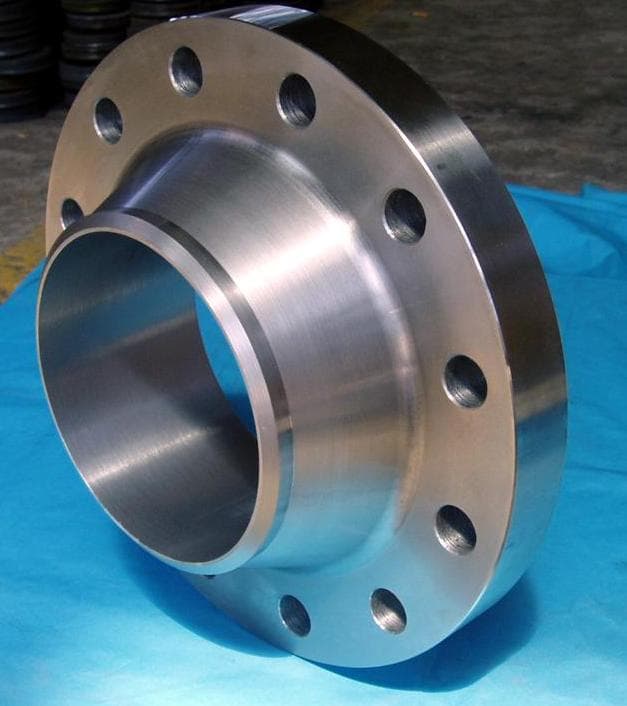
Stainless steel flanges are among the most widely used components in industrial piping systems, prized for their corrosion resistance, high-temperature tolerance, and mechanical strength. For procurement engineers and industrial buyers, selecting the right flange involves more than just matching dimensions—it requires verifying material grades, pressure ratings, manufacturing standards, and documentation. This article provides a practical procurement guide to stainless steel flanges, covering key features, common applications, critical standards, and an RFQ checklist to streamline your sourcing process.
Key Features of Stainless Steel Flanges
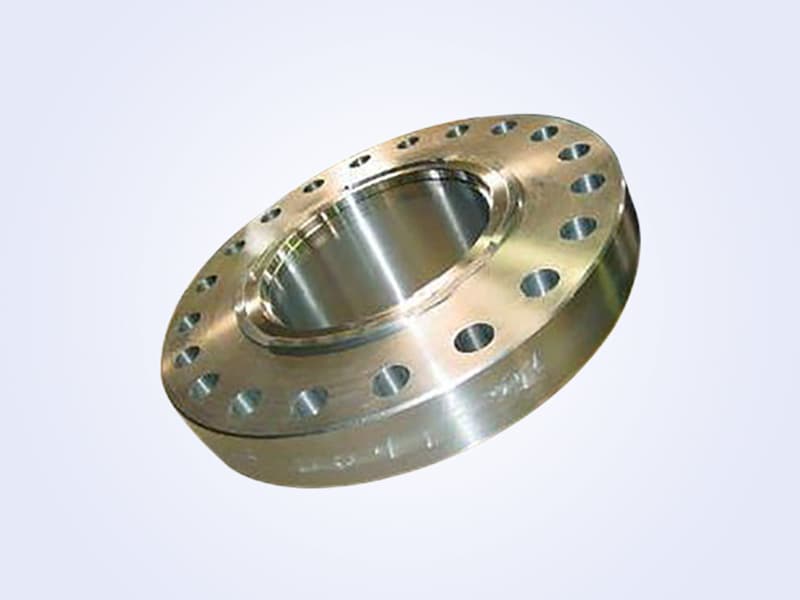
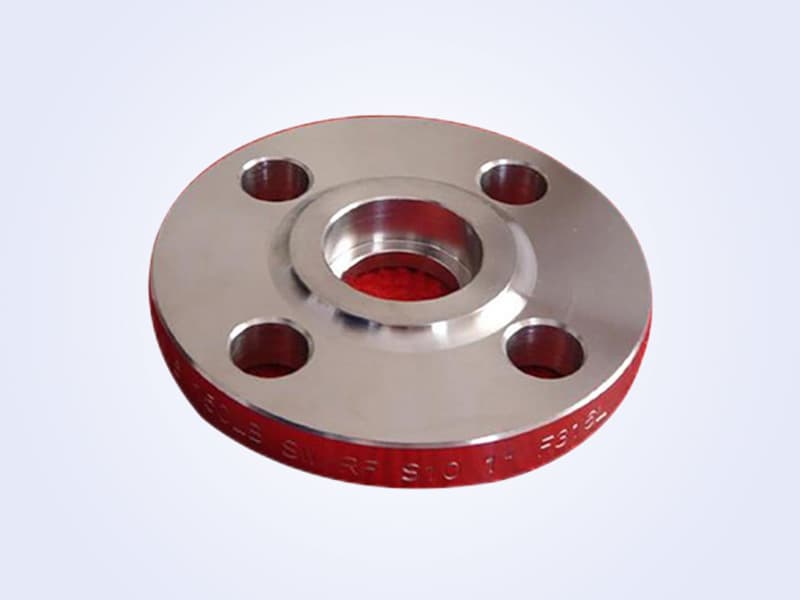
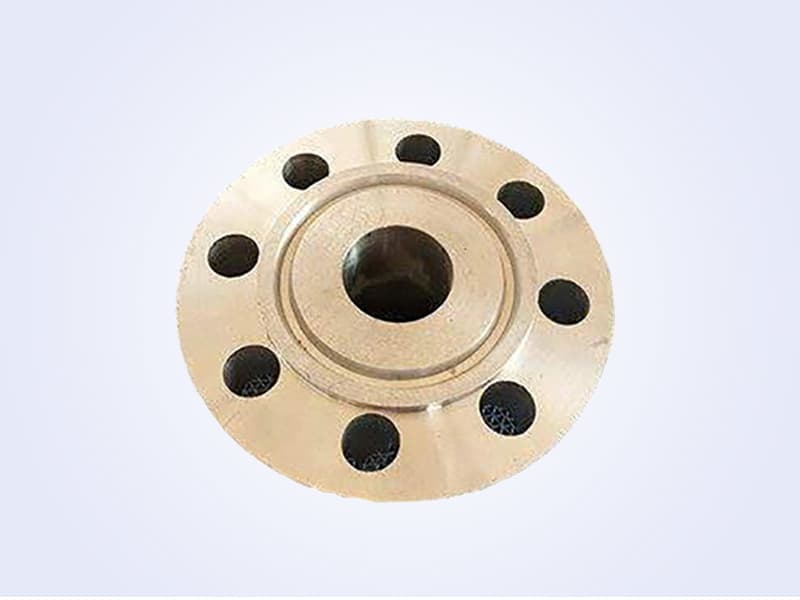
Stainless steel flanges are forged or machined from various stainless steel grades (e.g., 304, 304L, 316, 316L, 321, 347) to offer:
- Corrosion resistance: Suitable for harsh environments (chemicals, moisture, chlorides).
- High-temperature performance: Certain grades (e.g., 321, 347) resist oxidation up to 1400°F (760°C) or higher.
- Mechanical strength: High tensile and yield strength for high-pressure services.