Why this matters
Sour service — process streams containing wet H2S — exposes carbon and low-alloy steel to sulfide stress cracking (SSC). NACE MR0175 / ISO 15156 is the global rulebook that limits chemistry, hardness, heat treatment, and welding so the material can resist SSC. For pipe fittings and flanges destined for sour service, the buyer must control the welding procedure (WPS) and procedure qualification record (PQR) — not just the parent material. This sour service welding guide explains the WPS / PQR controls, including the 22 HRC hardness limit and how to verify it.
Specifying sour service welding controls — WPS, PQR, hardness traverse, NACE MR0175 reference — is what makes a fittings PO H2S-ready.
Step-by-step WPS / PQR control
1. State NACE MR0175 / ISO 15156 in the PO. Cite the part: -1 (general), -2 (carbon and low-alloy steels), -3 (CRAs). Add the year of the edition the project spec references.
2. Hardness limit. All MR0175 variants apply a 22 HRC maximum on carbon and low-alloy parent metal. Welds and HAZ are constrained by Vickers limits documented in MR0175-2 Tables. Typical maximum 250 HV 10 for carbon-steel weld metal and HAZ.
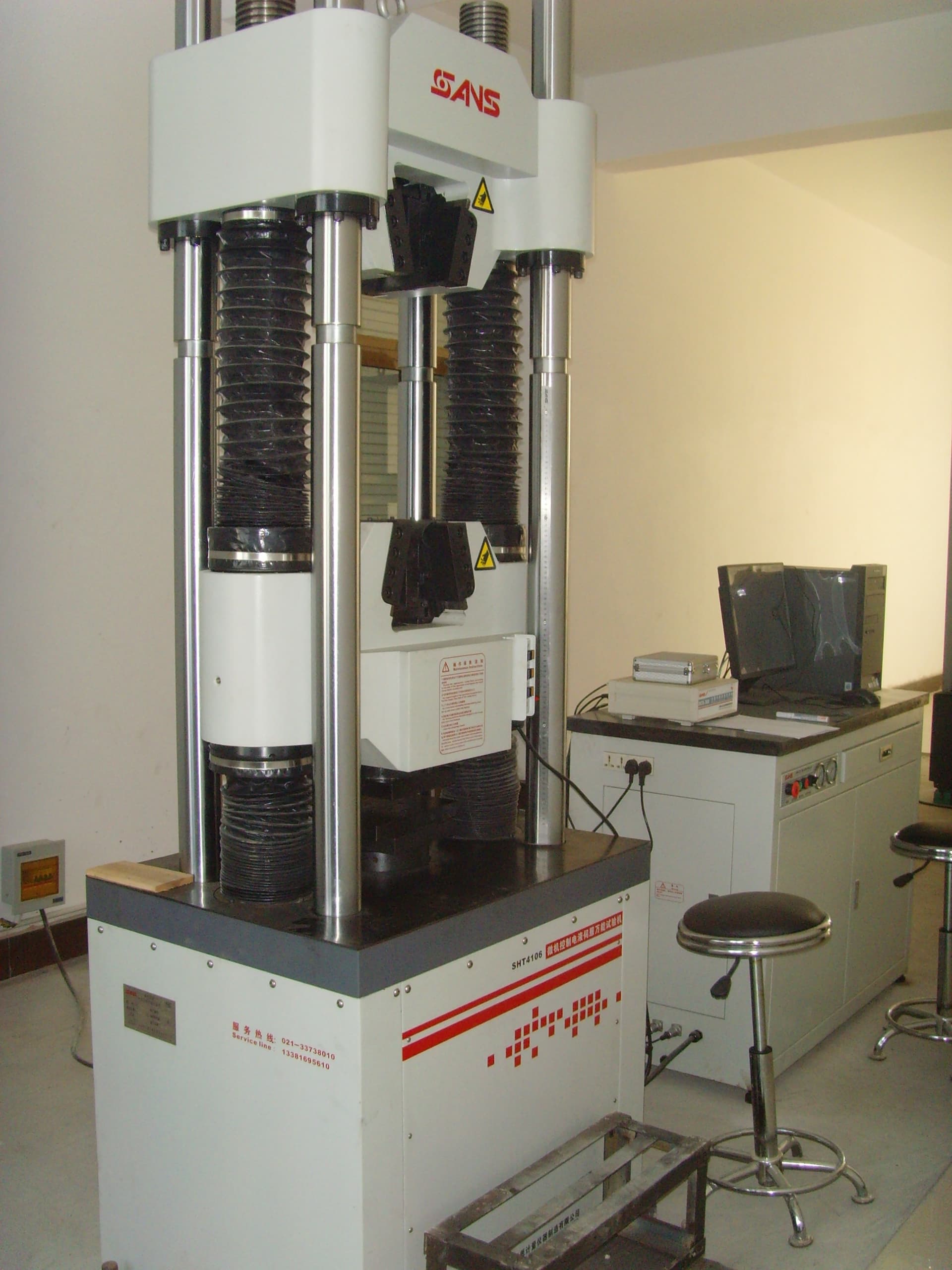
3. PQR hardness survey. Procedure qualification on carbon steels using controls other than thermal stress relieving must include a hardness traverse across weld, HAZ and base metal, performed using HV 10, HV 5 or HR15N per the standard's survey diagrams. The PQR is invalid for sour service if hardness data is missing.
4. PWHT (post-weld heat treatment). PWHT is the most reliable way to bring HAZ hardness below 22 HRC on carbon steel. ASME IX and B31.3 give time–temperature; for P-No.1 carbon steel typically 595–650 °C with 1 hr/inch hold. The PQR records actual temperature.
5. WPS essential variables. The buyer should review the WPS for: base material P-number, filler classification (e.g., E7018-H4R for low-hydrogen), preheat (typically 100–150 °C for carbon steel), interpass temperature limit (≤ 250 °C), heat input range, and PWHT cycle.
6. Filler metal control. Low-hydrogen consumables only. Hydrogen pickup risks hydrogen-induced cracking in sour service.
7. Production hardness check. Each production weld (or sample per heat) needs a hardness check, typically Vickers HV 10 traverse or surface UCI per ASTM A1038 with a calibration block.
8. Charpy impact. While not strictly an SSC requirement, sour service often combines with low temperature; specify Charpy V-notch test temperature and energy in the PO.
Common buyer mistakes
- Reading "22 HRC" on the PQR as parent metal only and ignoring the HAZ Vickers limit.
- Accepting a PQR that uses HRC for the survey — the standard requires HV 10, HV 5, or HR15N.
- Allowing high-heat-input welding (large weave) that produces coarse HAZ above the hardness limit.
- Forgetting to specify low-hydrogen consumables and storage controls (rod oven > 120 °C).
- Skipping PWHT on a thick-wall carbon steel weld then failing the HAZ hardness survey.
Buyer checklist
- [ ] PO references NACE MR0175 / ISO 15156-1 and -2 with edition year
- [ ] Maximum 22 HRC parent / 250 HV 10 weld + HAZ stated
- [ ] PQR hardness traverse method per MR0175 (HV 10 / HV 5 / HR15N)
- [ ] PWHT cycle stated where applicable
- [ ] WPS preheat, interpass, heat input ranges within limits
- [ ] Low-hydrogen filler classification listed
- [ ] Production hardness sample plan agreed
- [ ] Charpy temperature + energy stated when needed
Sample PO clause
"All welds in pressure-containing fittings shall comply with ANSI/NACE MR0175 / ISO 15156-2 (latest edition). PQR shall include a Vickers HV 10 hardness traverse across weld, HAZ, and parent metal per the standard's survey layout, with maximum 250 HV 10. Parent metal maximum 22 HRC. PWHT per ASME B31.3 Table 331.1.1 mandatory for P-No.1 base material above 19 mm wall thickness. Filler metal shall be low-hydrogen, controlled to H4 or lower."
Our seamless butt-welding pipe fittings for sour service ship with PQR/WPS files and Vickers traverse reports; matching forged flanges include hardness mapping. Discuss your sour-service spec via the inquiry portal or download sample reports from the certificates library.
Sources
- NACE MR0175 / ISO 15156-1 reference PDF: https://www.octalsteel.com/wp-content/uploads/2017/10/NACE-MR0175-ISO15156-specification.pdf
- ANSI/NACE MR0175 / ISO 15156-1:2015: https://farsi.msrpco.com/wp-content/uploads/2019/05/standard-nace-mr0175.pdf
- Valve Magazine NACE MR0175 explainer: https://www.valvemagazine.com/articles/nace-mr0175iso-15156
- Gilbert Industries CRA selection guide: https://www.gilbertindustries.com/solutions-for-corrosion/nace-mr0175-guidelines-for-corrosion-resistant-materials/
- SSM Alloys MR0175 H2S environment guide: https://ssmalloys.com/nace-mr0175-iso-15156/
Need a quote for the products mentioned in this article?
Submit your specs and our pressure piping team will respond within one business day.
Send RFQRelated reading
Buyer guideEnsuring Quality Standards for Butt-Weld Fittings: A Buyer's Guide
Learn how to evaluate and ensure the quality of butt-weld fittings for industrial piping systems. This guide covers key standards, inspection documents, RFQ checklists, and quality risks for procurement engineers.
Buyer guide