Introduction
In heavy industry, high-pressure flange connections are critical to the integrity of piping systems. A failure in a flange joint under high pressure can lead to catastrophic leaks, downtime, and safety hazards. For procurement engineers and industrial buyers, selecting the right high-pressure flanges involves more than comparing prices. This guide covers the essential factors to consider when sourcing flanges for demanding applications, including material grades, applicable standards, inspection requirements, and a practical RFQ checklist.
Standards and Specifications to Confirm
High-pressure flanges must comply with international standards to ensure interchangeability and performance. The most common standards include:
- ASME B16.5: For pipe flanges and flanged fittings (up to 24 inches, Classes 150–2500).
- ASME B16.47: For large-diameter flanges (Classes 150–900).
- EN 1092-1: European standard for flanges, often used in projects outside North America.
- DIN, JIS, or GOST: Regional standards that may be specified by the end user.
When requesting a quotation, always specify the governing standard and the pressure class (e.g., Class 600, PN 100). Material grades must also match the service conditions: common choices include ASTM A105 (carbon steel), A182 F304/F316 (stainless steel), or alloy steels like A182 F11 or F22 for high-temperature services.
Key Quality Risks to Address
Poorly manufactured flanges can cause leakage, corrosion, or catastrophic failure. Key risks include:
- Incorrect material chemistry: Even minor deviations can reduce strength or corrosion resistance.
- Improper heat treatment: For high-pressure flanges, normalization or quenching and tempering is often required to achieve mechanical properties.
- Defective sealing surfaces: Gasket surfaces must be smooth and free of nicks, scratches, or pitting to ensure a leak-free joint.
- Dimensional non-conformance: Bolt holes, flange thickness, and raised face dimensions must match standard tolerances. Off-spec flanges may not bolt up correctly.
Mitigate these risks by requiring material test reports (MTRs) and dimensional inspection reports from the supplier.
Inspection and Documentation Requirements
For critical applications, proactive inspection is essential. Request the following documents from your supplier:
- Material Test Report (MTR): Must show heat number, chemical composition, and mechanical properties per the specified grade.
- Certificate of Compliance (COC): Confirms the product meets the ordered standard.
- Third-Party Inspection Report: Many projects require inspection by agencies like Lloyds, DNV, or SGS. Clarify if this is needed.
- Dimensional Report: Verifies critical dimensions such as flange OD, bolt circle diameter, and thickness.
- Marking and Traceability: Each flange should be permanently marked with standard, material, pressure class, and heat number.
RFQ Checklist for High-Pressure Flanges
To receive accurate quotations, include the following in your request:
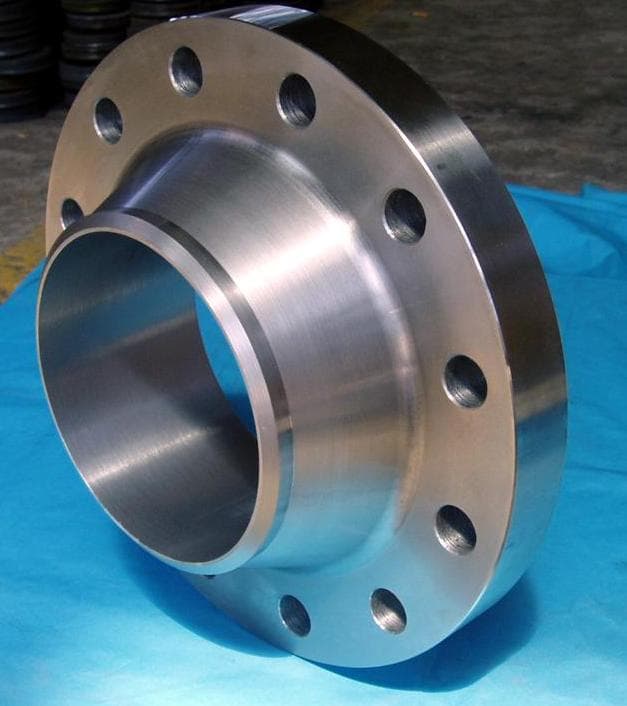
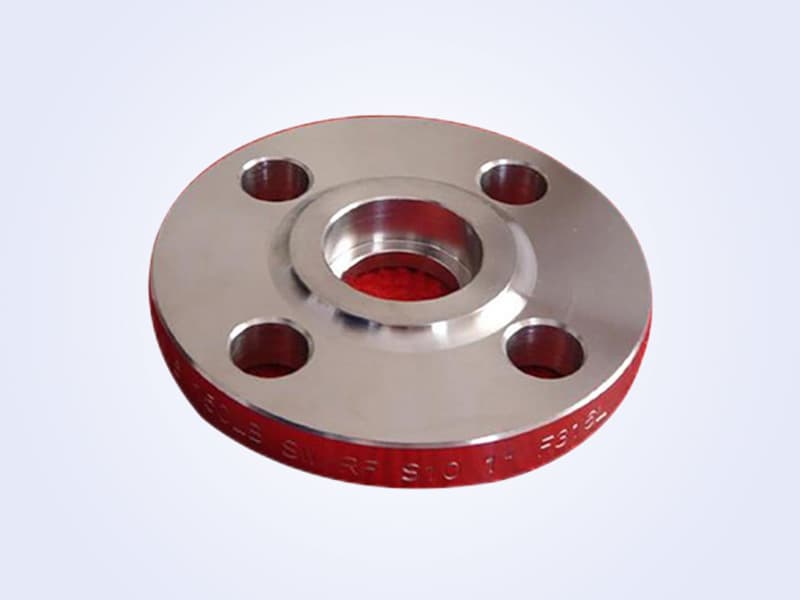
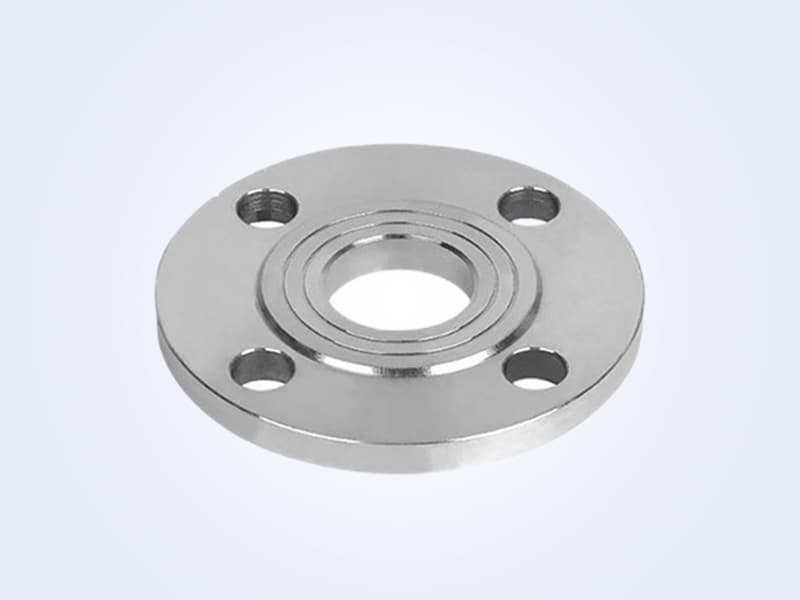
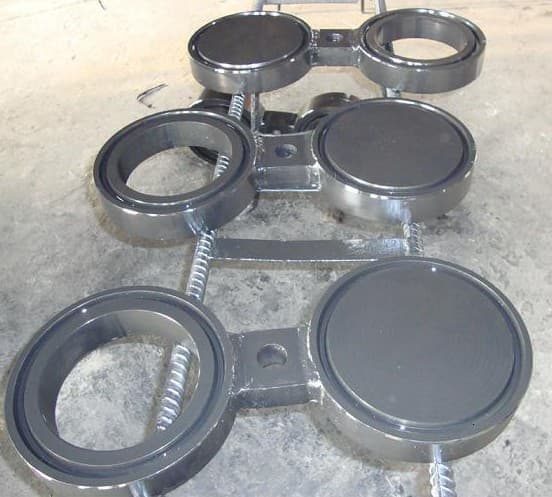
- Flange type (e.g., weld neck, slip-on, blind, socket weld)
- Size: nominal pipe size (NPS) and schedule
- Pressure class (e.g., 150, 300, 600, 900, 1500, 2500)
- Standard (ASME, EN, DIN, etc.)
- Material grade with applicable ASTM/EN specification
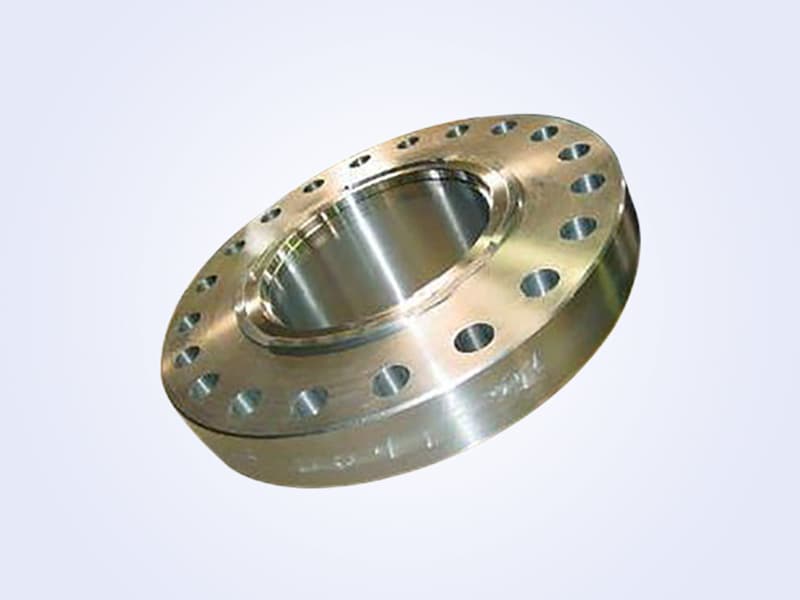
- Facing type (e.g., raised face, ring joint, flat face)
- Quantity
- Required surface finish for gasket (e.g., 125–250 microinches AARH)
- Certification requirements (MTR, third-party, PMI)
- Delivery terms (Incoterms, location, timeline)
What to Send Before Quotation
To speed up the RFQ process, provide the supplier with:
- A clear specification sheet or datasheet
- A drawing or dimensional sketch for non-standard flanges
- Project-specific requirements (e.g., NACE MR0175 for sour service, or impact testing)
- Any preferred or approved manufacturer list if applicable
A complete RFQ helps the supplier offer the best price and lead time while reducing the risk of misunderstandings.
Choosing a Reliable Supplier
Select a manufacturer with proven experience in heavy industry flanges. Look for:
- A strong quality management system (ISO 9001, API Q1)
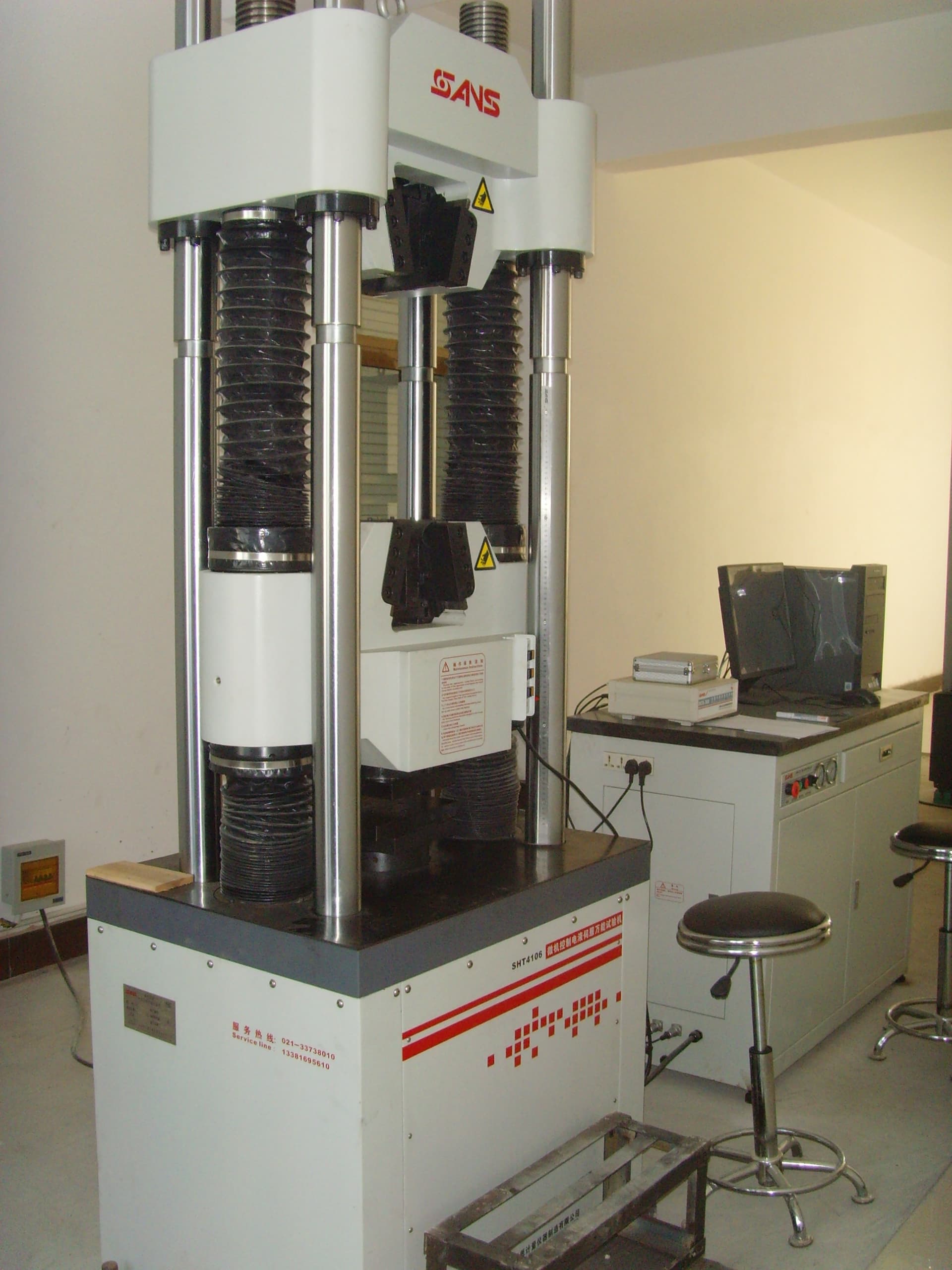
- In-house testing capabilities (chemical lab, mechanical testing, NDT)
- Knowledge of international standards and export packaging
- References from similar projects
Reputable manufacturers like Hebei Haihao Group have supplied high-pressure flanges to heavy industry sectors worldwide. Their products undergo rigorous testing to meet the demands of oil and gas, petrochemical, power generation, and mining industries.
Conclusion
Sourcing high-pressure flanges for heavy industry requires careful attention to standards, materials, quality controls, and documentation. By using the RFQ checklist and insisting on proper inspection reports, you can minimize procurement risks and ensure a reliable connection in your piping system.
For your next project, consider Hebei Haihao Group. We offer a wide range of high-pressure flanges in carbon steel, stainless steel, and alloys, manufactured to ASME, EN, and other standards. Contact us with your specifications for a competitive quotation and timely delivery.
Need a quote for the products mentioned in this article?
Submit your specs and our pressure piping team will respond within one business day.
Send RFQRelated reading
Buyer guideProcuring High-Pressure Flanges: Engineering Considerations for Robust Piping Systems
How to evaluate materials, design, and quality assurance when sourcing high-pressure flanges for demanding applications.
Buyer guide