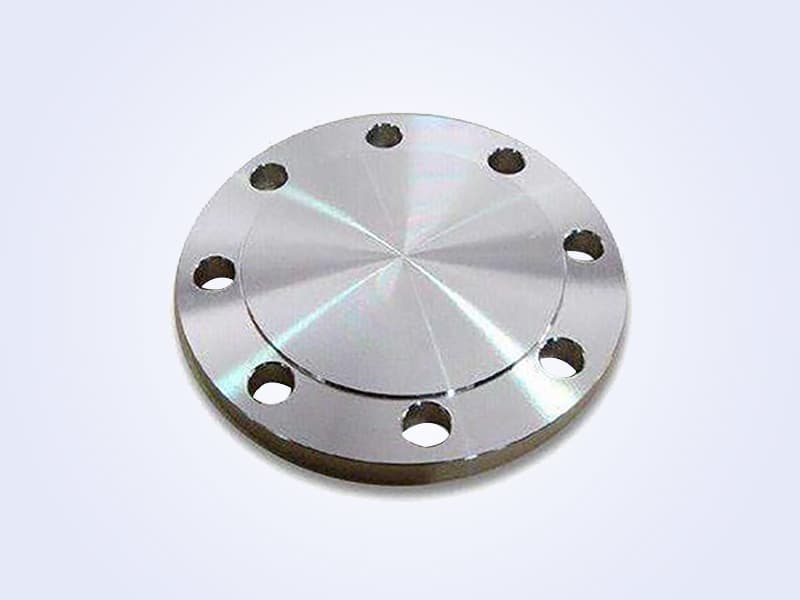
What Is a Spectacle Blind?
A spectacle blind (also known as a figure-8 blind or spacer blind) is a pipefitting used to isolate sections of a pipeline or vessel. Its distinctive figure-8 shape consists of a solid disc (blank) connected to a spacer (open) by a tie bar. By rotating the blind, operators can either block flow or allow it through, making it an essential component in systems requiring maintenance shutdowns or directional changes. Spectacle blinds are commonly employed in oil and gas, petrochemical, and power generation industries.
Key Specifications to Confirm
When specifying a spectacle blind, procurement engineers must verify several parameters to ensure proper fit and function.
Size and Pressure Rating
Spectacle blinds are sized according to the nominal pipe size (NPS) and pressure class. Common sizes range from DN50 (2”) to DN600 (24”) or larger. Pressure ratings follow ASME B16.48 (Line Blanks) and typically match flange ratings: Class 150, 300, 600, 900, 1500, and 2500. Ensure that the pressure class is compatible with the adjacent flanges.
Material Selection
The material must be compatible with the process fluid and operating conditions. Common materials include:
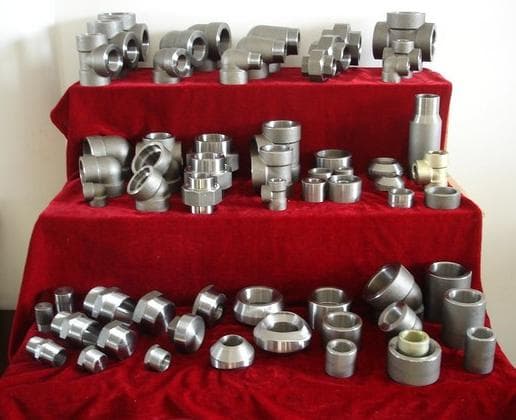
- Carbon steel (ASTM A105): For general service, low-temperature, or non-corrosive fluids.
- Stainless steel (ASTM A182 F304/F316): For corrosive environments or high-purity applications.
- Alloy steel (e.g., A182 F5, F9, F22): For high-temperature or high-pressure service.
- Duplex/super duplex: For aggressive offshore or chemical duty.
Thickness and Facing
Thickness is critical for pressure integrity. ASME B16.48 specifies minimum thickness based on pressure class and size. The facing (sealing surface) must match the flange type: raised face (RF), flat face (FF), or ring-type joint (RTJ). Select accordingly to avoid leakage.
Industry Standards to Reference
Spectacle blinds are governed by several standards. Always confirm which standard applies to your project:
- ASME B16.48: Standard for Line Blanks, covering dimensions, tolerances, and pressure-temperature ratings.
- ASME B16.5: Flange dimensions and facing (for flanged ends).
- ASME B31.3: Process piping design code.
- Material standards: ASTM A105, A182, A516, etc.
For international projects, also check ISO or EN equivalents (e.g., EN 1092-1 for flanges).
Inspection and Documentation Requirements
To guarantee quality, request the following documents from suppliers:
- Material Test Reports (MTRs) – Chemical and mechanical properties.
- Pressure Test Certificate – Hydrostatic or pneumatic testing per ASME B16.48.
- Dimensional Inspection Report – Confirming outer diameter, thickness, and face-to-face length.
- Hardness Test Report – For sour service (NACE MR0175/ISO 15156).
- Visual and Surface Inspection – Per SSPC or ISO 8501 for coating.
Third-party inspection (e.g., by SGS, Bureau Veritas) is often required for critical applications.
RFQ Checklist: What to Include
When requesting a quotation, provide the following details to ensure accurate pricing and lead time:
- Nominal Pipe Size (NPS) and Pressure Class
- Flange Standard and Facing (e.g., ASME B16.5 RF, RTJ)
- Material Grade (e.g., ASTM A105, A182 F316)
- Service Conditions: Design temperature, design pressure, fluid type (if corrosive or toxic)
- Quantity and delivery schedule
- Required Certifications (e.g., NACE, PMI, WPS/PQR)
- Surface Finish / Coating (e.g., galvanized, epoxy)
Quality Risks to Avoid
Common pitfalls when procuring spectacle blinds:
- Incorrect thickness: May lead to failure under pressure. Always cross-check against ASME B16.48.
- Material mismatch: Using carbon steel in a corrosive service can cause rapid failure.
- Improper facing: A raised-face blind on a flat-face flange creates leakage paths.
- Tie bar weakness: The tie bar is not structural, but a poorly designed one can break during handling.
- Missing documentation: Without MTRs, your project may not meet code requirements.
Before Sending an RFQ
Prepare a clear technical datasheet. If possible, include a sketch or reference to the piping isometric. Confirm whether the blind needs to be supplied with gaskets, bolts, or studs. For urgent projects, check the supplier’s stock availability.
Conclusion
Selecting the right spectacle blind requires careful attention to specifications, standards, and quality assurance. By following the guidelines above, procurement engineers can avoid costly mistakes and ensure reliable isolation in their piping systems.
For a competitive quote on spectacle blinds manufactured to ASME B16.48 and your specific requirements, contact Hebei Haihao Group. Our engineers can assist with material selection and documentation.
Need a quote for the products mentioned in this article?
Submit your specs and our pressure piping team will respond within one business day.
Send RFQRelated reading
TechnicalA Procurement Engineer’s Guide to Figure-8 Blinds: Design, Standards, and RFQ
Learn the design principles, material standards, and inspection requirements for figure-8 blinds. Includes RFQ checklist and quality risks for global buyers.
Technical