Why this matters
API 6D is the pipeline industry's answer to the question "what makes a valve good enough for a long-distance transmission pipeline?". It governs design, manufacture, testing and documentation of pipeline ball, plug, gate and check valves used by oil and gas operators. For an international procurement team buying isolation, blow-down or check valves on a transmission, gathering or terminal project, API 6D is usually the contractually required reference.
Scope comparison
| Aspect | API 6D coverage |
|---|---|
| Valve types | Ball, plug, gate (typically through-conduit slab or expanding), check |
| Pressure classes | ASME Class 150, 300, 400, 600, 900, 1500, 2500 |
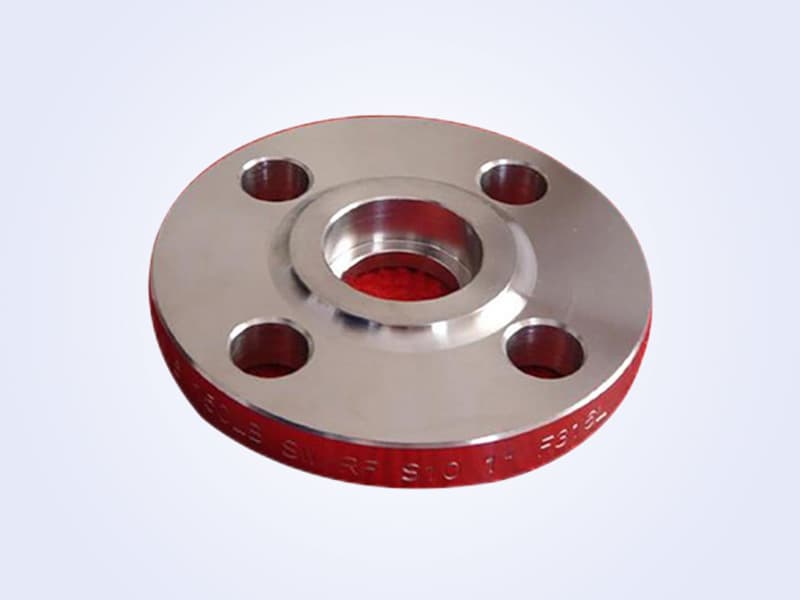
| Typical end connections | Butt-weld, flanged (per B16.5 / B16.47), hub |
| Operability | Manual, gear, electric, pneumatic, hydraulic actuators |
| Functional features | Drain, vent, sealant injection, double block and bleed (DBB), double isolation and bleed (DIB), piggability |
| Edition referenced | The 25th edition of API 6D was issued in November 2021; reference the latest published edition for new orders |
Key differences from a process valve standard
- Pipeline orientation: 6D is written for in-line service on transmission pipelines, where pigging, throughput and shutoff integrity are paramount.
- Through-conduit gate valves: Slab or expanding gate designs preserve a smooth, full bore so cleaning and inspection pigs can pass.
- Piggable check valves: Full-opening swing checks are common on 6D pump and compressor stations.
- Trunnion-mounted ball valves: Preferred for large bore and high differential pressure because they reduce stem torque and seat loads.
- DBB and DIB: 6D defines double block and bleed and double isolation and bleed as functional features that the buyer must specify.
- Documentation: 6D requires controlled material traceability, NDE and pressure testing records.
When to choose API 6D vs alternatives
- Transmission and gathering pipelines, terminals, pump and compressor stations: API 6D.
- Refinery and petrochemical process units: usually ASME B16.34 with API 600 (gate), API 602 (small forged), API 608 (ball) or API 594 / 6D (check).
- Subsea pipelines and risers: API 6DSS (a sister standard) is typically called up rather than 6D.
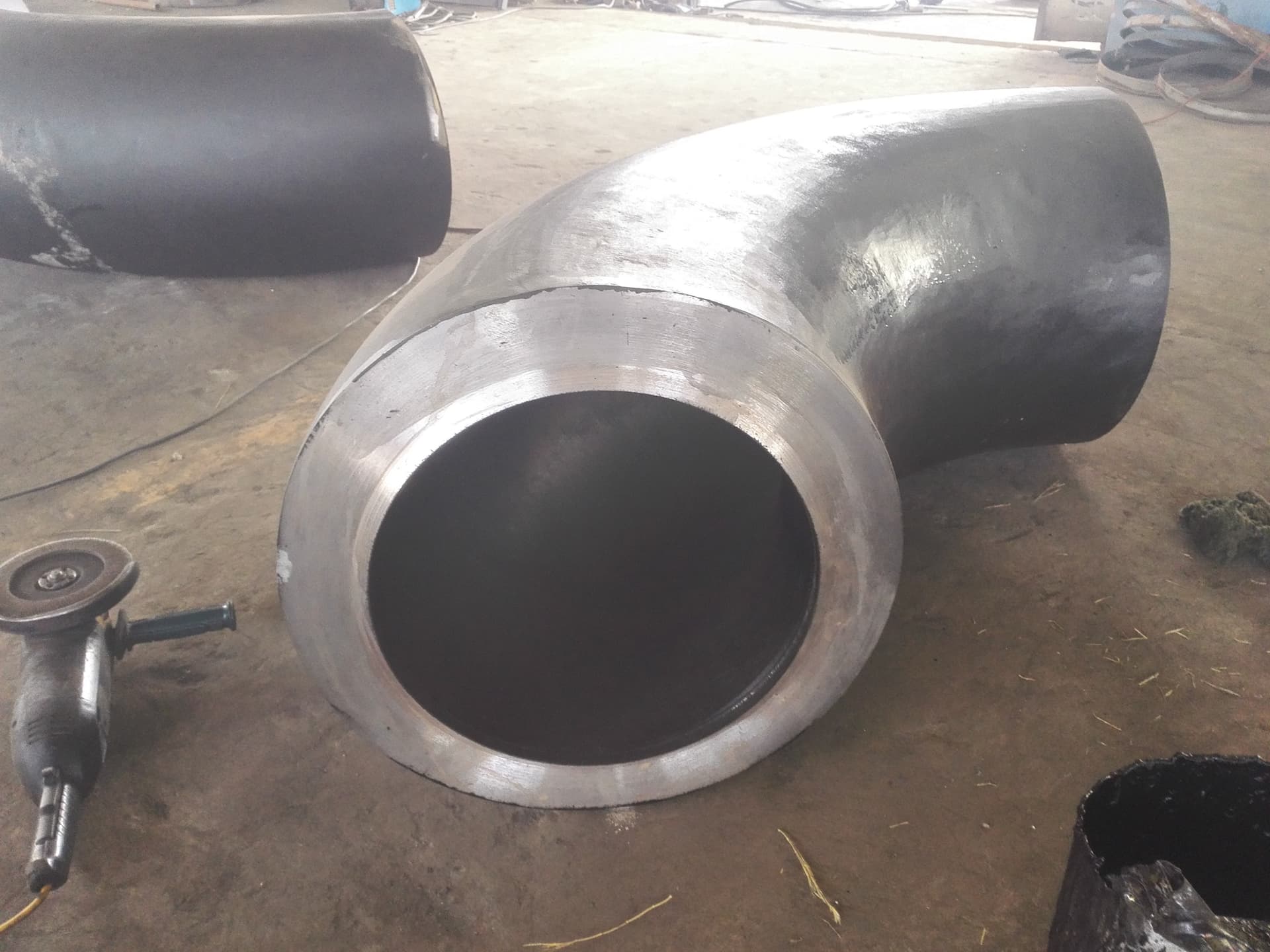
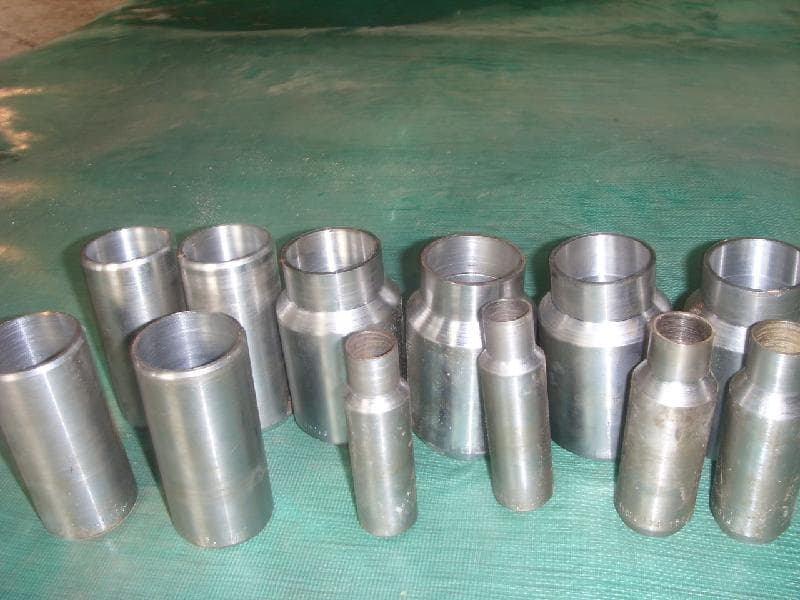
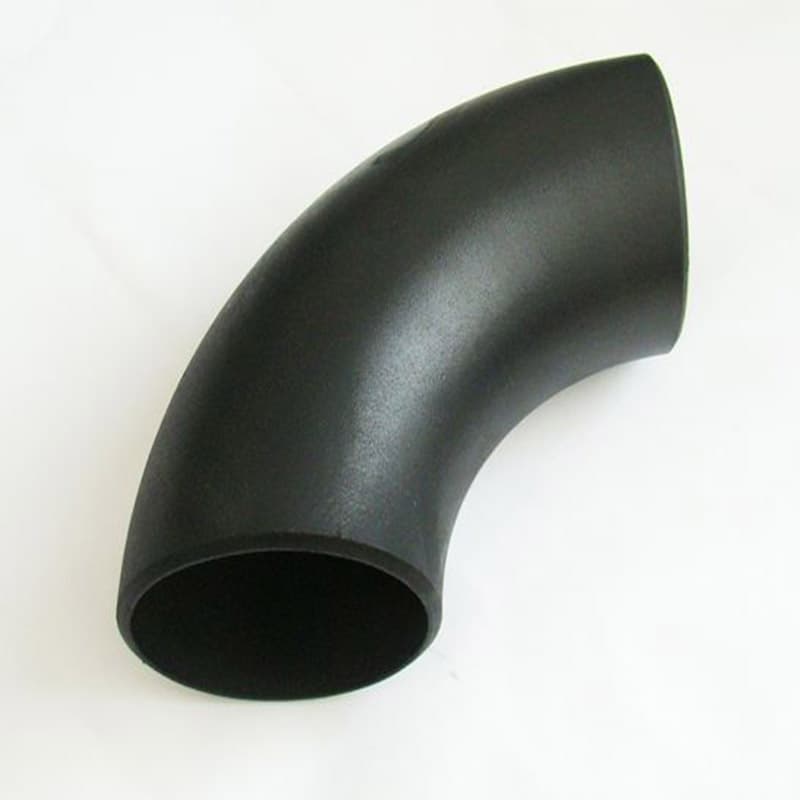
Our in-line valve trim ports are routinely connected to butt-welding pipe fittings and welded to seamless steel pipes of matching class.
Procurement / spec checklist
- State valve type, size, class, end connection, body / trim materials and operator type. Example: "Trunnion-mount ball valve, NPS 24, Class 600 RF, full bore, A350 LF2 body, F6 / Inconel 625 overlay seats, electric actuator".
- Define pressure rating, design temperature, fluid composition and the presence of H2S / CO2.
- Specify DBB or DIB if isolation guarantees are needed for online maintenance.
- Require pigging compatibility (full bore + suitable pig signaller location) where applicable.
- State fire-safe requirement (API 607 or API 6FA) and antistatic test if needed.
- Reference the latest published edition of API 6D.
- Require 3.1 / 3.2 MTRs, PMI on alloy parts and pressure / seat test certificates.
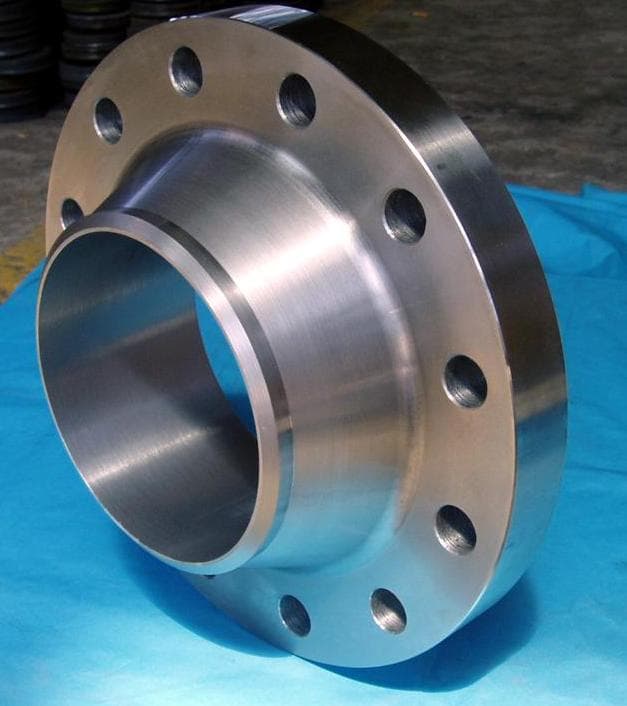
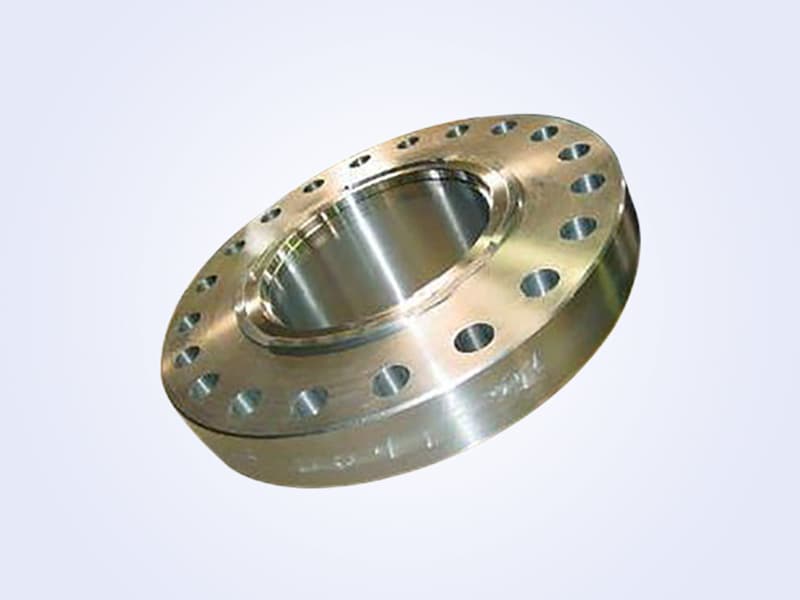
Need matching fittings or flanges for an API 6D valve package? Send the line list via our inquiry page; QA documentation is on our certificates page.
Sources
- https://www.api.org/~/media/files/publications/whats%20new/6d_e24%20pa.pdf
- https://alliedvalveinc.com/the-valve-expert/api-standard-6d/
- https://valve-world-americas.com/what-is-new-with-api-6d/
- https://glossary.slb.com/terms/a/api-6d
Need a quote for the products mentioned in this article?
Submit your specs and our pressure piping team will respond within one business day.
Send RFQRelated reading
StandardsEN 1092-1 vs ASME B16.5 Flange Comparison for EU Buyers
EN 1092-1 vs ASME B16.5 flange comparison: PN vs Class system, size ranges, dimensional differences, gasket and bolt compatibility for EU procurement.
Standards