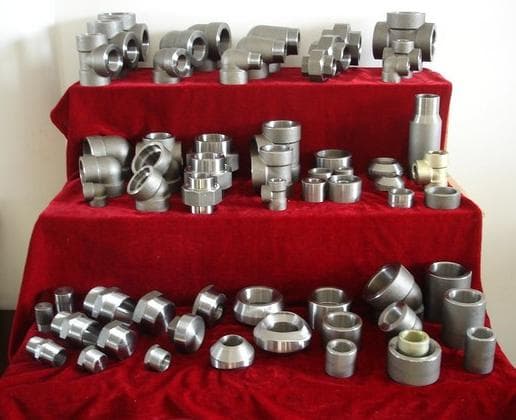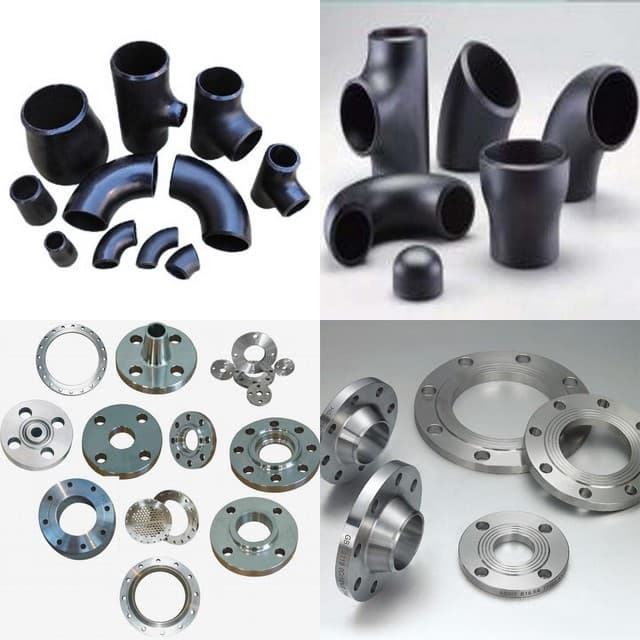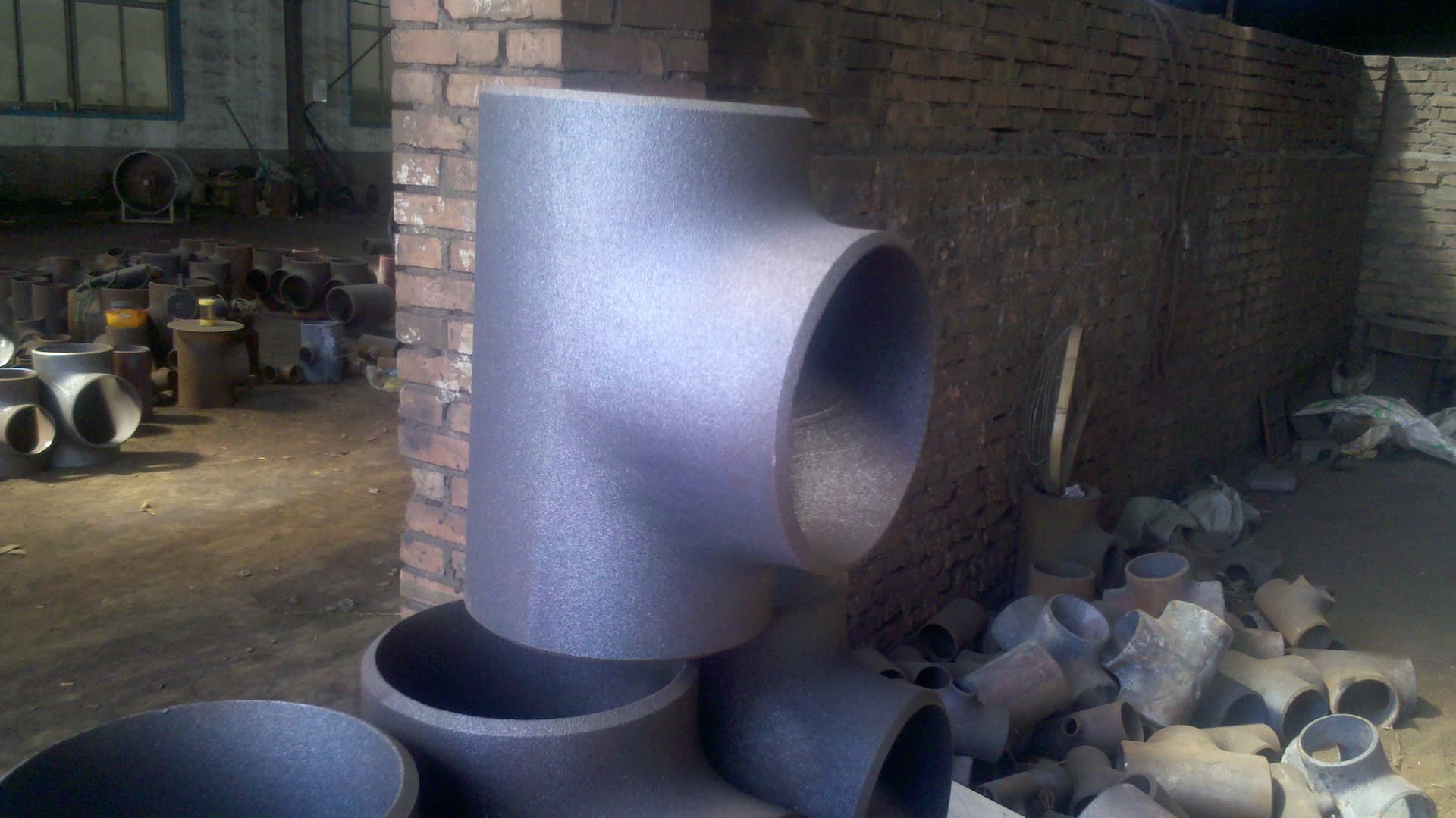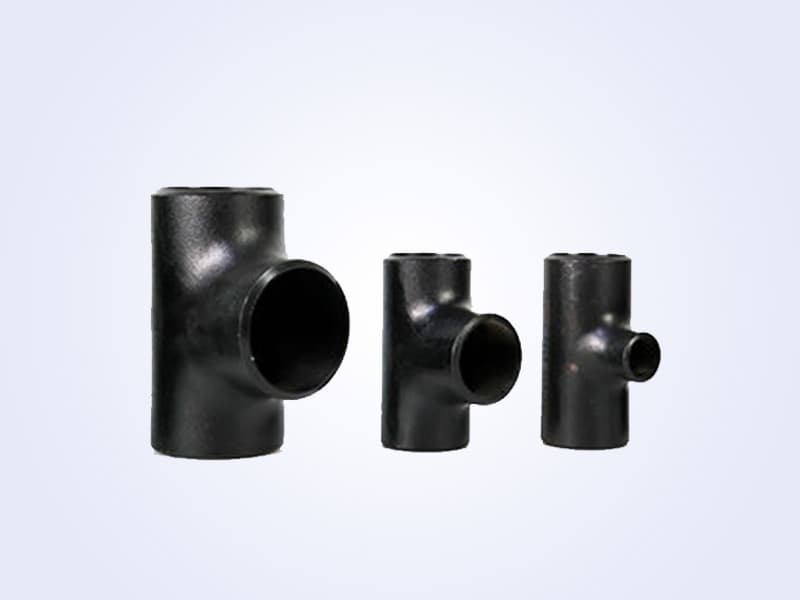
Weld repair acceptance is a common source of confusion for EPC engineers, procurement managers, and inspectors because it is not a simple visual judgement. For wrought steel piping fittings, the acceptance decision is defined by a hierarchy of documents: the product specification, the common-requirements standard, the purchase order, and any project-added requirements. This article explains how to evaluate weld repair acceptance for fittings under ASTM A234/A234M, using ASTM A960/A960M as the common requirements document, and shows exactly where you must fill gaps by verification.
Why Weld Repair Acceptance Cannot Be Judged by Eye
The first and most important point is that weld repair acceptance must be evaluated against the product specification, the common requirements, the purchase order, and any project additions — not against a generic visual rule. A repair that might be acceptable for one grade or service condition can be unacceptable for another. The visible appearance of a repaired area tells you only that work was done; it does not tell you whether the repair was permitted, whether it was performed with a qualified procedure, whether post-weld heat treatment restored the material properties, or whether the required non-destructive examination was completed and passed.
When you see a weld repair on a fitting, the immediate response should be to pull the applicable documents and verify the conditions of acceptance. If the purchase order and project specification do not contain explicit repair acceptance provisions, the question must be referred to the purchaser's engineer and the supplier before any repair is approved.